Resistant to up to 100 industrial washes
The Flame Arc Pro line: vat-dyed cotton with a declared resistance of up to one hundred wash cycles. The cost of workwear is measured in the washes it survives — not in the price per metre.
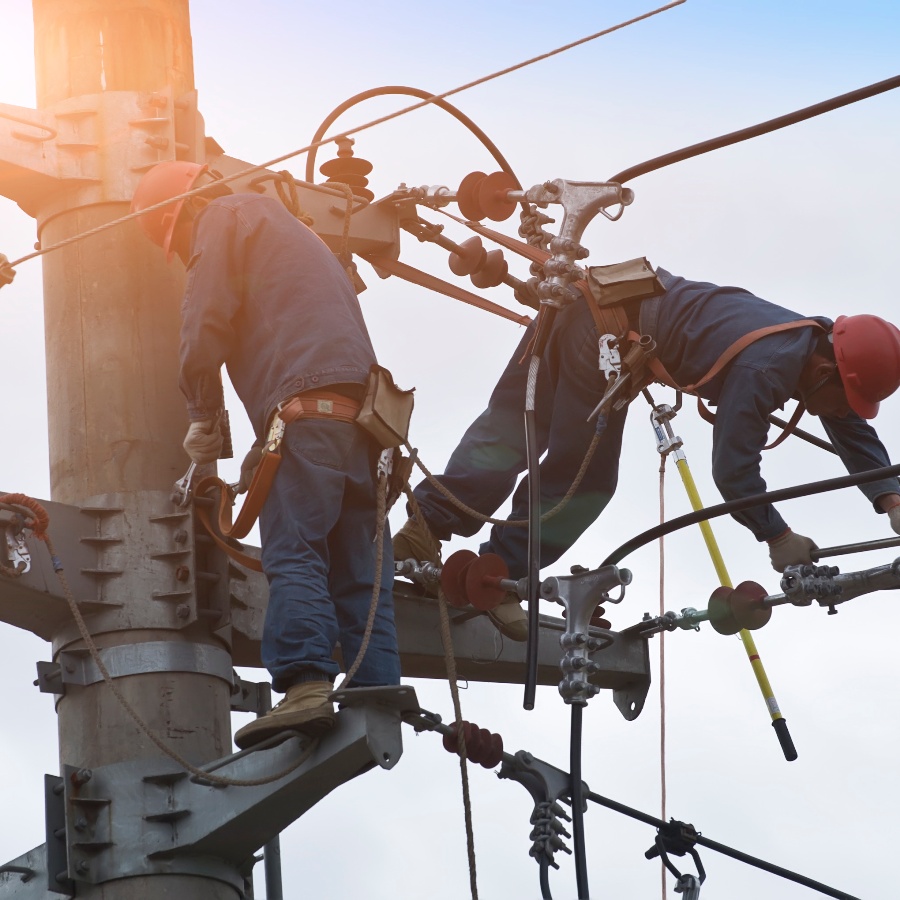
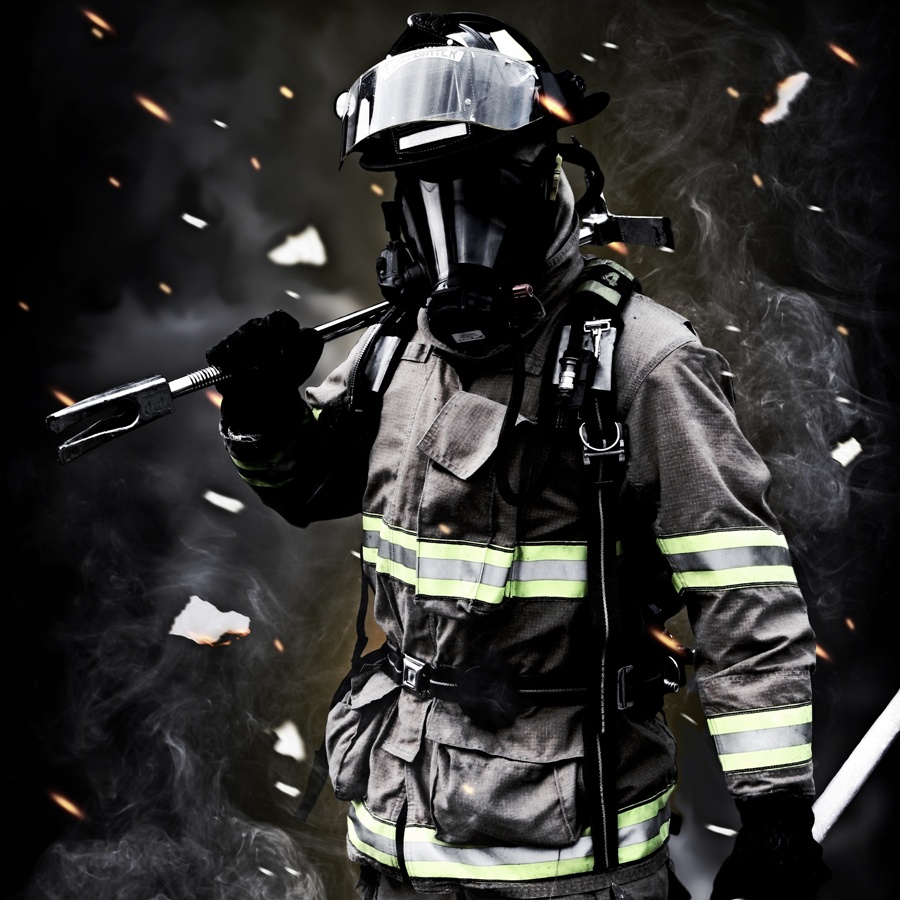
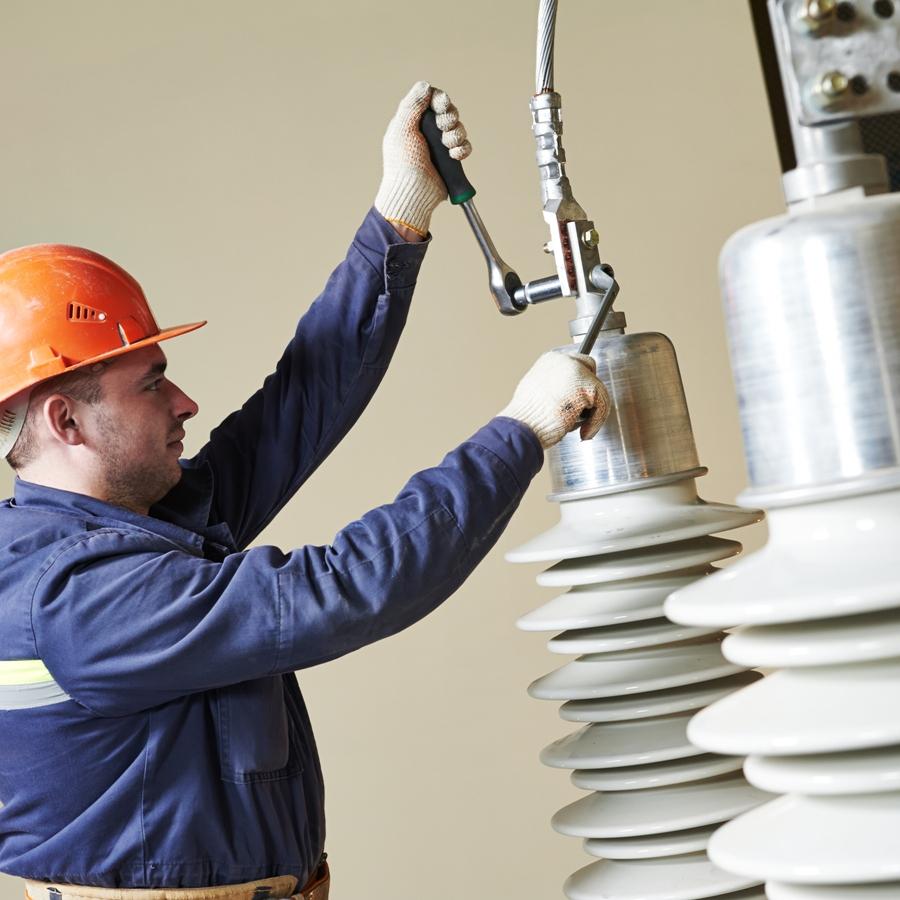
An electric arc lasts a fraction of a second and offers no second chance. A power worker’s protective clothing is the last barrier between a person and its energy — and it must perform every single time, through years of service and hundreds of washes. We manufacture fabrics that carry that responsibility: flame retardant, antistatic and electromagnetic-shielding.
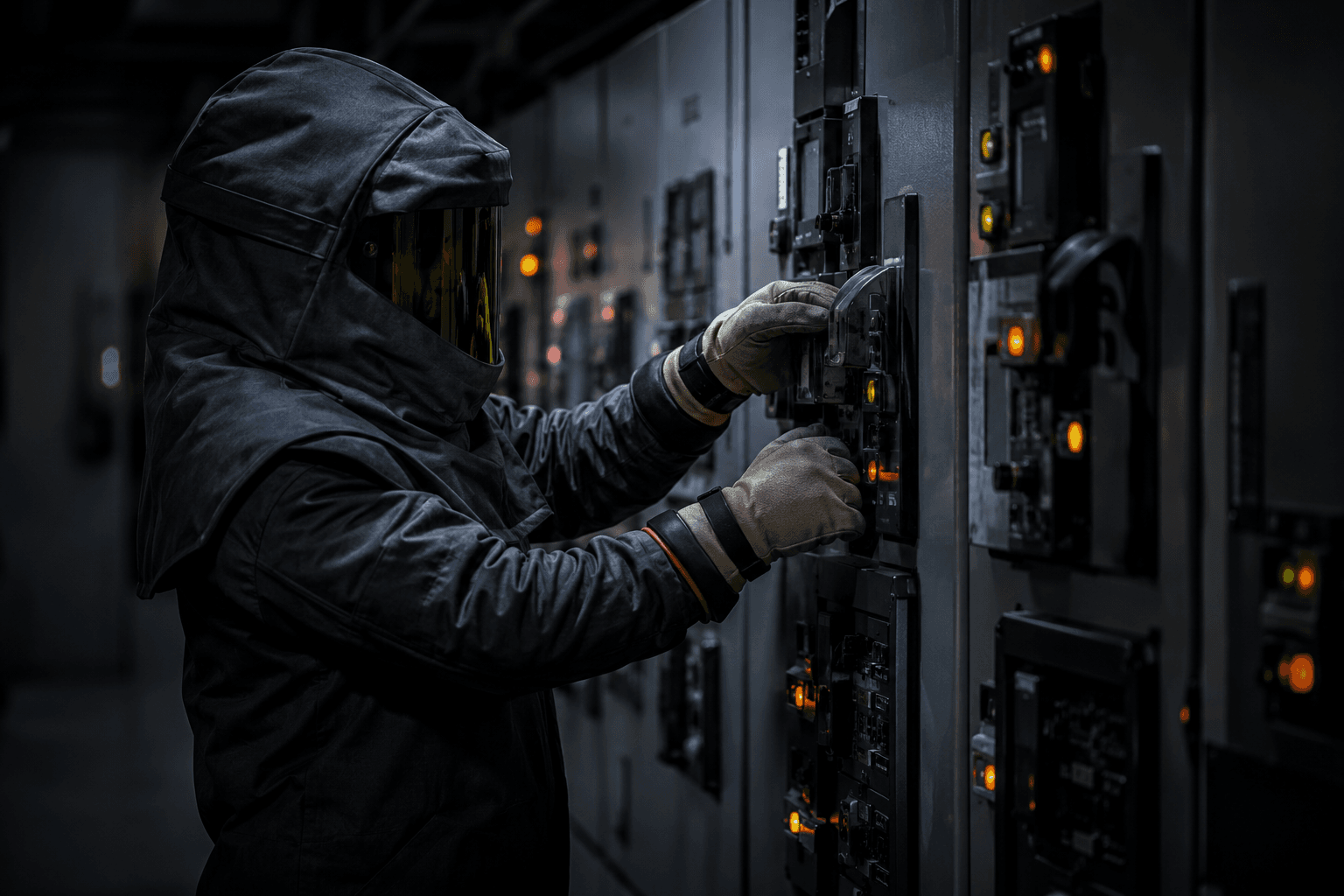
The Flame Arc Pro line: vat-dyed cotton with a declared resistance of up to one hundred wash cycles. The cost of workwear is measured in the washes it survives — not in the price per metre.
Flame Arc Pro from 150 g/m² (a plain weave for summer) to 360 g/m² (winter) — fabric selection by protection class and season, in a 99% cotton / 1% carbon-fibre composition: natural-fibre comfort with antistatic built into the structure.
ArWoWear T4 EMK and ArShirt EMK Pique: 20% stainless-steel fibre woven into the fabric provides EMI shielding, anti-radar applications and protection for high-voltage work — including a knit version for shirts.
The Static Pro line: 1% carbon fibre woven in, across six weights from 200 to 360 g/m². The antistatic properties cannot be washed or worn off — they are the construction of the fabric.
Workwear (Flame Arc Pro), a shielding shirt (ArShirt EMK), flame-retardant insulation (Moda Pro fleece) and a chemical-resistant variant (Chem Pro) — the entire layer system from one supplier, under consistent protection regimes.
Vat dyeing — the most durable method of dyeing cotton — holds the colour through industrial laundering with chlorine agents and work in full sunlight. The garment looks corporate throughout its service life, not just on issue day.
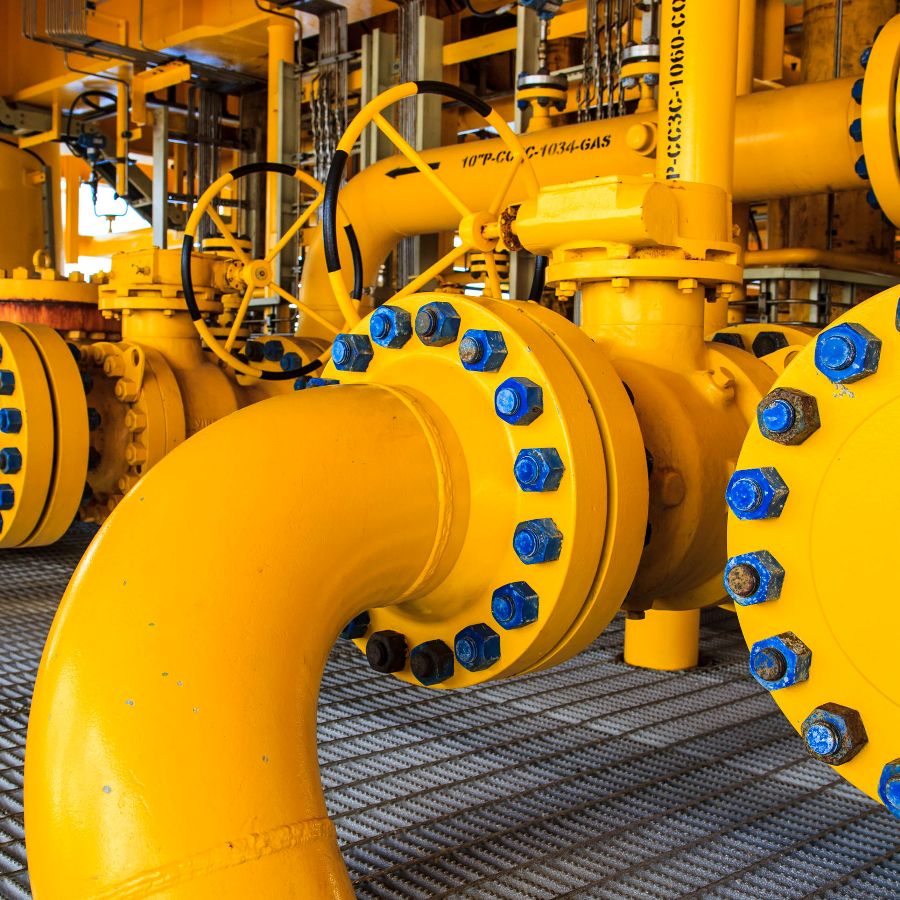
Explore antistatic, flame-retardant, arc-protective and shielding fabrics for energy-sector work.
Materials from other groups with additional uses in energy-sector clothing and equipment.
Additional technologies, standards and test methods
Composition, weight, required standards, estimated volume — we respond with an offer, a technical data sheet and test results.